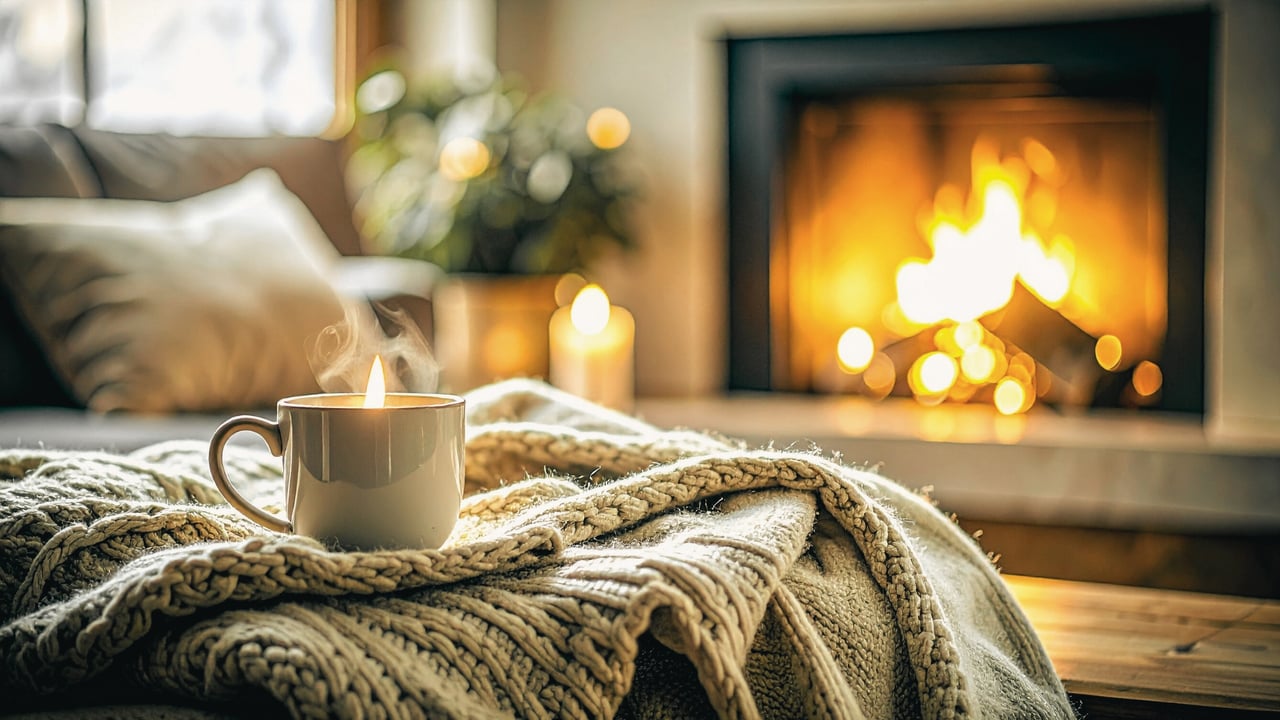
Winter along the East Coast brings its share of cold temperatures, gray skies, and occasional mix of rain, sleet, and snow. While the season can be demanding, it also creates the perfect setting to enjoy the warmth and ambiance of a fireplace. Whether a home features a traditional hearth or a modern alternative, fireplaces remain a desirable amenity — offering both comfort and added appeal to a property.
Traditional Fireplaces
Historically, many homes built before the mid-20th century were designed with fireplaces or woodstoves out of necessity. As gas and electric heating systems became standard, wood-burning fireplaces were gradually phased out in new construction. Still, a significant number of East Coast homes retain original fireplaces, leaving today’s homeowners with an important question: how best to use, or update, this feature.
For those with a traditional wood-burning fireplace, burning natural firewood remains the most classic option. Wood is a renewable resource that can provide warmth during power outages — an advantage during winter storms. However, wood-burning fireplaces require ongoing maintenance and do produce smoke and emissions, which should be carefully considered.
Fireplace Heat Exchanger
One way to improve efficiency is by installing a fireplace heat exchanger. These systems resemble standard grates but are constructed with hollow tubing that pulls in cool air and releases warmed air back into the room, helping to reduce heat loss up the chimney.
Wood-burning fireplaces do come with added responsibilities. Homeowners must purchase and properly store firewood, schedule regular chimney cleanings to prevent creosote buildup, and manage ash cleanup and disposal. Over time, these factors can make wood-burning fireplaces more labor-intensive and costly than expected.
As a result, many homeowners choose to convert traditional fireplaces to gas. Gas log systems provide real flames with significantly less maintenance, reduced emissions, and easy operation. While gas log kits are relatively affordable, installing a gas line — if one is not already present — can increase the overall investment.
Electric Fireplaces
Electric fireplace inserts are another increasingly popular option, particularly for homes without an existing chimney. These units are typically easy to install and budget-friendly, using electric heating elements and advanced lighting technology to simulate flames. Some models even feature high-definition displays, sound effects, and smart home integration. The primary considerations are higher electricity costs and the fact that electric units do not operate during power outages.
Ethanol Fireplaces
Ethanol fireplaces offer a modern, design-forward alternative. These systems burn bioethanol fuel to create real flames without producing carbon monoxide when properly ventilated. Available in a range of styles — from inserts to freestanding and tabletop designs — ethanol fireplaces can be used in spaces without chimneys or flues. While they provide some warmth, they are primarily valued for their aesthetic appeal rather than as a primary heat source.
Before using any fireplace, especially one that has been dormant, it’s wise to schedule a professional inspection and cleaning. Regardless of the option chosen, a well-maintained fireplace can enhance comfort, create a welcoming atmosphere, and add to a home’s overall appeal during the long East Coast winter months.