Instead of making every item an all-or-nothing decision, try sorting your belongings into three simple categories: Keep, Donate, or Digitize. This approach can help you create a more organized home without feeling like you have to part with the things that matter most.
Keep: What Earns Its Place?
The easiest things to keep are those you use regularly, genuinely love, or would be difficult to replace. Think favorite kitchenware, well-loved books, family heirlooms, or a piece of furniture that makes a room feel complete.
For sentimental belongings, ask yourself:
- Does this item hold meaningful memories?
- Do I actually enjoy having it in my home?
- Would I regret getting rid of it?
- Is there a practical or emotional reason to keep it?
You don't need to eliminate every sentimental item to have an organized home. Instead, consider giving meaningful pieces a designated place. A small collection of family photos may be easier to appreciate when they're displayed together rather than tucked away in several boxes.
Donate: Could Someone Else Use It?
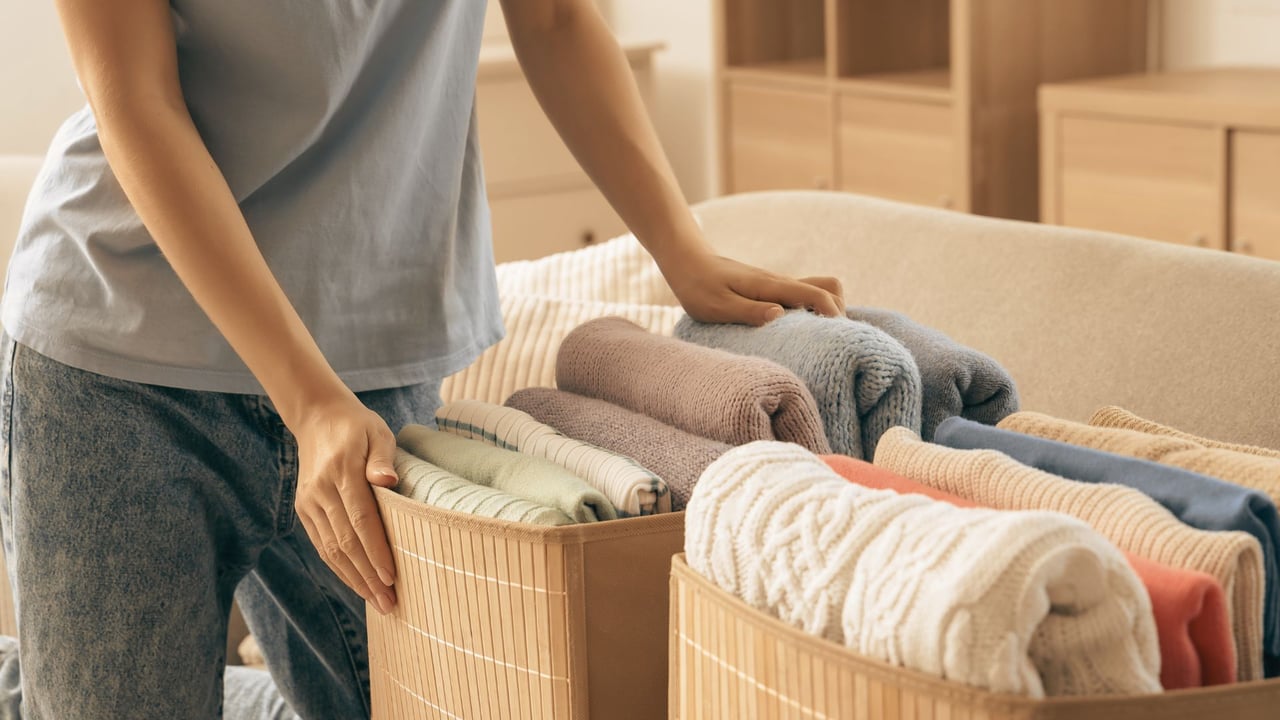
Decluttering becomes easier when you think about where an item could go next. Clothing that no longer fits, books you've finished, duplicate kitchen items, furniture you're no longer using, and gently used household goods could all benefit someone else.
Before donating, make sure items are clean and in usable condition. Create a dedicated donation box or bag at home so items you're ready to pass along don't slowly find their way back into your closets.
And remember: donating isn't just about creating more space. It's also an opportunity to give useful belongings a second life.
Digitize: Keep the Memory, Lose the Clutter
Some of the hardest things to declutter are the items that aren't particularly useful, but carry a lifetime of memories. That's where digitizing can help.
Old photographs, children's artwork, handwritten recipes, letters, certificates, and other paper keepsakes can often be scanned or photographed and stored digitally. You can organize them into folders, create digital photo albums, or even make printed photo books from your favorites.
Kids' artwork is a perfect example. Instead of filling boxes with years of drawings and crafts, choose a few favorites to keep and photograph the rest physically. At the end of the year, you can create a digital album documenting your child's creativity.
The same approach works for family recipes. Scan handwritten recipe cards from grandparents or other relatives and create a digital family cookbook while preserving a few of the original cards that have special significance.
What About Family Heirlooms?
Family keepsakes can be particularly difficult because they often carry a sense of responsibility: Someone gave this to me, so I have to keep it.
But keeping an heirloom doesn't have to be the only way to honor it.
If you love the story behind an item but don't have room for it, consider photographing it and writing down its history. Who did it belong to? Where did it come from? Why was it important to your family?
You might decide to keep a few particularly meaningful pieces while documenting others digitally. This allows the story to continue even if the physical object doesn't stay in your home forever.
Don't Forget the Paperwork
Paper clutter can accumulate surprisingly quickly. Old receipts, manuals, bills, school papers, warranties, and other documents can take over filing cabinets and drawers.
Start by determining what you actually need to keep in physical form. Important legal, financial, property, medical, and identification documents may require special consideration, while many other records can be securely digitized or discarded when they're no longer needed.
For anything you digitize, create a simple and consistent filing system. Organize documents by category and year, and make sure important files are backed up securely.
Give Your Books a Second Life
Books can be some of the hardest possessions to part with, especially if you're an avid reader. But if your shelves are overflowing, ask yourself which books you would genuinely read again or want to keep for sentimental reasons.
Keep the favorites. Donate books you enjoyed but don't plan to revisit. Consider giving away duplicates or books that no longer fit your interests.
And if you're holding onto a book because of the memories associated with it, take a photo of the cover or write down why it was meaningful before passing it along.
A Simple Rule for Your Next Decluttering Session
The next time you open an overflowing closet, drawer, or storage box, don't ask yourself only, "Do I want this?"
Instead, ask:
- Keep: Does this add value, function, or meaning to my life?
- Donate: Could someone else get more use out of this than I do?
- Digitize: Is it the memory or information I want—not necessarily the physical object?
- Discard: If it doesn't belong in any of those categories, is it time to let it go?
Decluttering isn't about creating a perfectly minimalist home. It's about creating a space that reflects how you actually live today. By being intentional about what you keep, generous about what you donate, and creative about what you digitize, you can make more room in your home without making less room for the memories that matter.