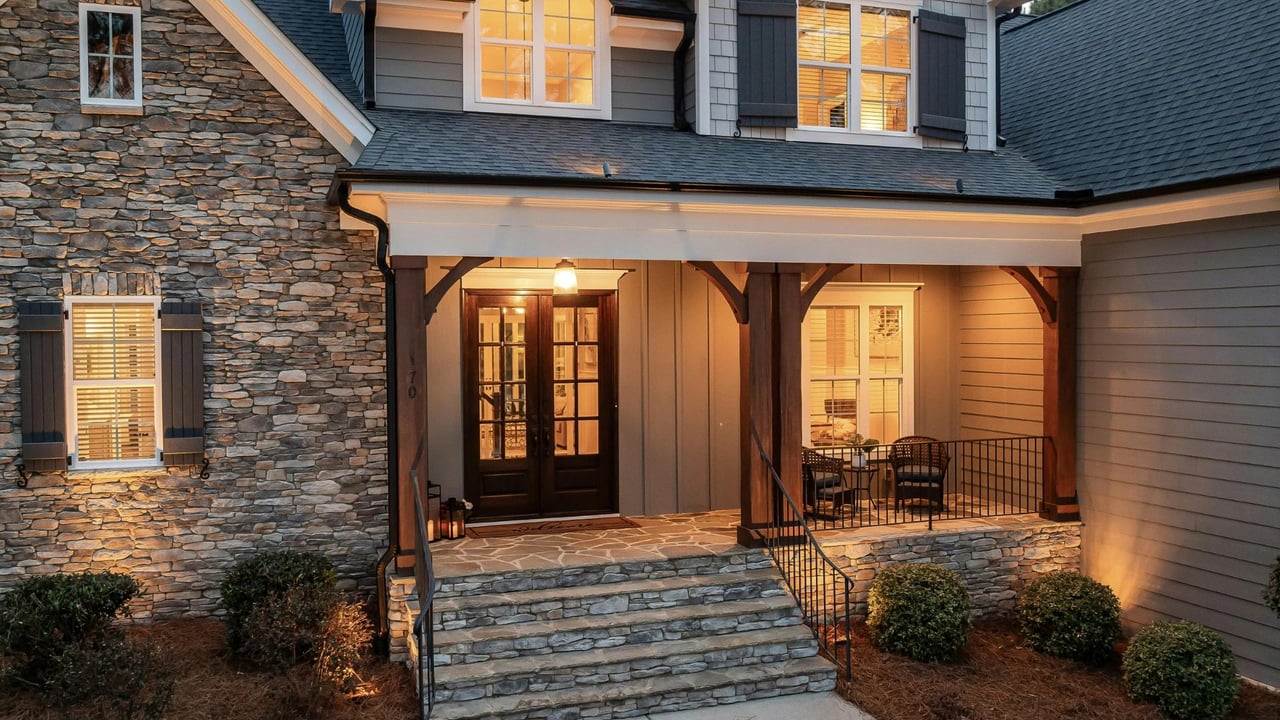
When it comes to determining what a home is worth, it's easy to focus on the numbers: square footage, bedroom count, bathrooms, and lot size. While these details certainly play a role, a home's value is influenced by much more than what's listed on a property description. From its location and condition to recent neighborhood sales and current market trends, several factors work together to determine what buyers may be willing to pay.
Whether you're simply curious about your home's current value or considering selling in the future, understanding these factors can help you make more informed decisions about your property.
1. Location, Location, Location
You've likely heard the phrase before, and for good reason. Location remains one of the most influential factors in determining a home's value. Two homes with nearly identical layouts and square footage can have very different values simply because they're located in different communities.
Proximity to major employment centers, shopping, restaurants, parks, schools, and transportation options can all influence buyer demand. Neighborhood characteristics, commute times, and access to everyday conveniences also play a role. Even within the same city or county, values can vary significantly from one neighborhood to another.
2. The Condition of Your Home
A home's overall condition can have a major impact on how buyers perceive its value. Well-maintained properties often attract more interest because buyers may feel more confident about the home's upkeep and the potential costs of future repairs.
Features such as a newer roof, updated HVAC system, well-maintained plumbing, and functional appliances can all contribute to a home's appeal. On the other hand, visible maintenance issues, outdated systems, or deferred repairs may affect what buyers are willing to offer.
Regular maintenance isn't just about keeping your home looking nice; it can also help protect its long-term value.
3. Renovations and Home Improvements
Not all home improvements have the same impact on property value. While a beautifully renovated kitchen or updated bathroom may make a home more appealing, the return on investment can vary depending on the type of project, quality of the work, and preferences of buyers in your area.
Improvements such as modernizing kitchens and bathrooms, updating flooring, improving energy efficiency, and enhancing curb appeal can help a property stand out. However, it's important to remember that the most expensive renovation isn't necessarily the one that adds the most value.
Before taking on a major project, consider what improvements are most common and desirable in comparable homes in your neighborhood.
4. Neighborhood Amenities and Community Appeal
A home is more than just the property itself. The surrounding community can have a meaningful influence on its value and desirability.
Access to walking trails, parks, community centers, shopping districts, restaurants, and recreational facilities can make a neighborhood particularly attractive. Other considerations, such as neighborhood upkeep, community activities, and convenient access to major roads or public transportation, may also influence buyer interest.
For many buyers, finding the right community is just as important as finding the right house.
5. Current Real Estate Market Conditions
Even if your home hasn't changed, its value can fluctuate as the real estate market changes. Supply and demand, mortgage interest rates, buyer activity, and the number of homes available for sale all influence pricing.
For example, when buyer demand is high and inventory is limited, sellers may have more negotiating power. When there are more homes available than active buyers, properties may take longer to sell and sellers may need to be more competitive with pricing.
This is why looking at recent sales and current market activity is so important when estimating a home's value. A property's value isn't determined by what a similar home sold for several years ago, but rather by what buyers are willing to pay in today's market.
6. Comparable Home Sales Matter
One of the most useful tools for understanding your home's potential value is looking at comparable properties, often referred to as comps. These are recently sold homes that share similar characteristics with your property, such as location, size, age, layout, and condition.
Comparing your home to recent sales in the surrounding area can help establish a realistic picture of what buyers are paying. However, no two properties are exactly alike. Differences in upgrades, lot size, views, floor plans, and overall condition can all influence how a home compares to others on the market.
A real estate professional can help evaluate these differences and identify the most relevant comparable sales.
So, What Is Your Home Really Worth?
Online home value estimates can be a convenient starting point, but they don't always account for the details that make your property unique. Automated estimates may not fully capture recent renovations, the condition of your home, neighborhood-specific demand, or other factors that influence what a buyer might actually pay.
The best way to get a more accurate understanding of your home's value is to look at the complete picture: the property itself, the surrounding community, and the current real estate market.
Whether you're planning to sell soon or simply want to stay informed about your biggest investment, understanding what influences your home's value is a great place to start. A local real estate professional can help you evaluate your property, review comparable sales, and provide insight into what's happening in your neighborhood.
After all, your home's value is about much more than square footage. It's about everything that makes your property and its location desirable.